
Why Gig Tickets Are Pricing Out the Next Generation of Music Fans
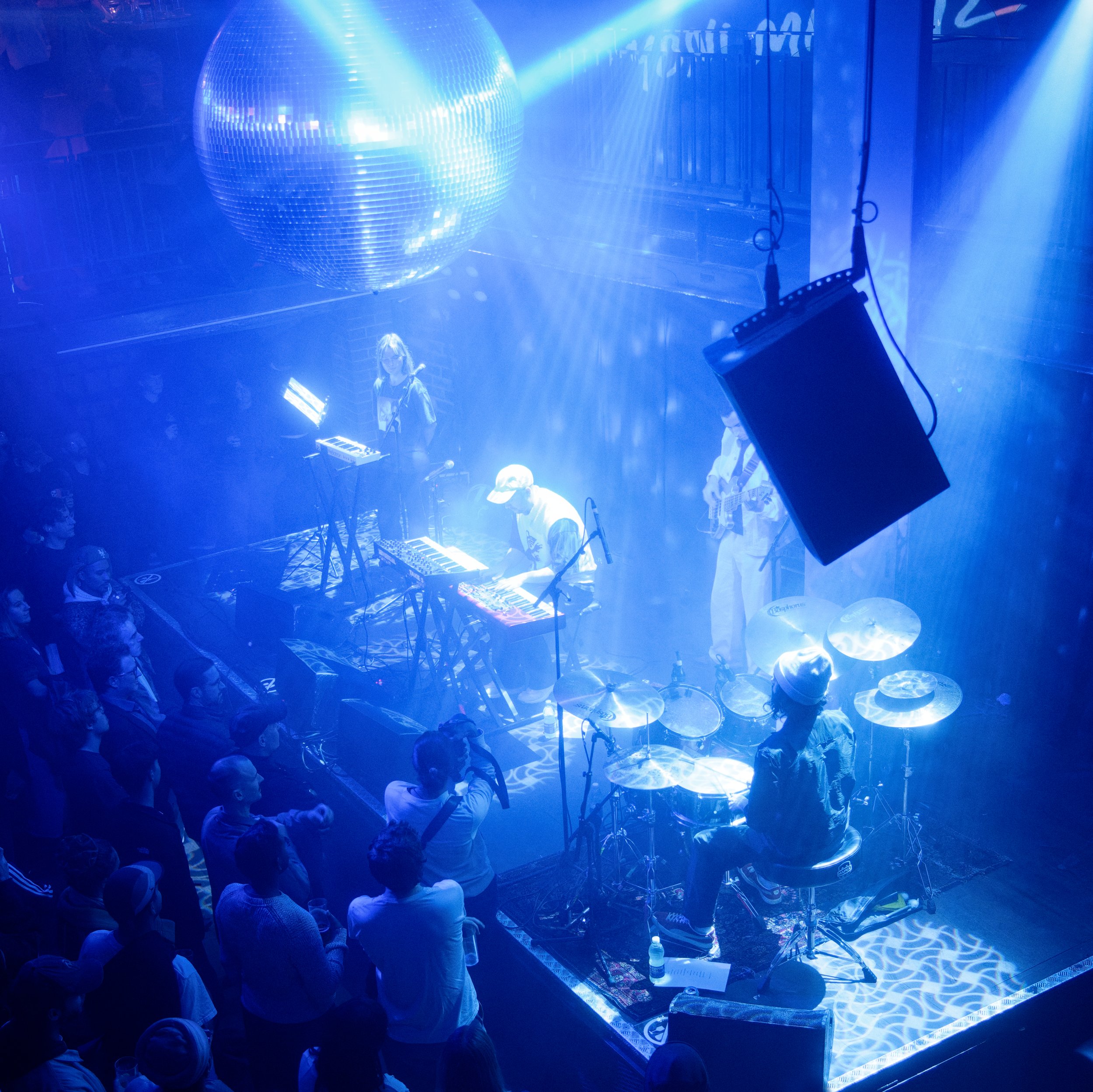
Photography by Evie
For every music lover, their first gig is a rite of passage. Maybe you went with your parents, maybe you were with your friends. Either way, your first experience of being surrounded by fellow fans of the artist, screaming songs you adore, running on adrenaline and not noticing (until after) how much your feet hurt. My first gig was an Arctic Monkeys concert in Manchester. The tickets had been a joint birthday gift from my friends (maybe the best gift ever?), and that first concert ignited a deep love for live music. Unfortunately, in recent years, attending gigs has become more of a luxury, instead of something that anyone, no matter what class or financial situation, can enjoy.
The history of gig ticket prices
It was a slow Sunday afternoon. I’d found myself looking through my late dad’s boxes of old stuff when I came across something that stopped me. I had stumbled upon his collection of old gig tickets spanning decades and artists across every genre and level of fame you could think of. My dad was the biggest music fan I knew. It sounds cliché, but it's true: name an artist, and he’d know them. So, whilst I was envious of all these artists he’d been lucky enough to see, it was not that in itself that struck me. It was the price of the tickets. He saw The Pogues in 1986 for just £4.50, The Charlatans in ’91 for £8.50, and The Pixies that same year for £10. The fact that he’d been able to see such iconic artists for such a reasonable price seemed like a distant dream. According to a study, the average cost of a gig ticket has surged by 101.16% since 1996, rising from £16.99 to £105.60, and sadly, this type of statistic is all too familiar nowadays.
Gig tickets are becoming inaccessible
The price of gig tickets has been controversial recently, and why wouldn’t it be when simply going to a gig is becoming more and more inaccessible? The most infamous example in recent history has to be the ‘dynamic pricing’ incident surrounding Oasis tickets in 2024. When Oasis announced their long-awaited reunion back in August 2024, the demand was massive, with fans both old and new desperate to score tickets for shows. Those who weren’t lucky enough to get presale codes had to brace themselves for what is colloquially known online as the ‘Ticketmaster War’. However, as many excited fans got to the checkout after being lucky enough to get a good spot in the queue, they were dismayed to find that the tickets were hundreds of pounds more expensive than advertised, rendering them unable to attend this once in a lifetime tour. After widespread outrage from fans, it was declared that the reason for the tickets being so expensive was the use of dynamic pricing, a system that inflates ticket costs in response to high demand. Oasis claimed that they had no say in this, and it was entirely up to Ticketmaster. Regardless of where responsibility lay, the result was the same: thousands of Oasis fans, maybe even some of their biggest fans, were ‘priced out’ of attending the reunion shows. According to BBC News in 2024, the last time Oasis played Wembley Stadium before their split in 2009, a standing ticket cost £44.04. For their return shows in summer 2025, the same ticket was priced at £150, more than double the old ticket price, even when adjusted for inflation, which would bring it to £68. It’s one thing not getting in the queue early enough and all the tickets being gone, but to be right there, with the tickets almost in reach, only to have to give them up due to the exorbitant price seems unfair. With the current climate, it seems that we’re heading towards a world where live music is a luxury reserved for those who can afford it. That should concern all of us.
What artists stand to lose
Historically, gigs have been events that anyone can attend and enjoy, but now, as the cost of living continues to rise, fewer people are experiencing the magic of live music at all. This is obviously heartbreaking for the fans, but I would argue that it is also a loss for the artists, even if they do not always see it that way. For the artist, it takes away their chance to experience sharing their music with fans who really connect to it. That electrifying feeling between artist and fan caused by the mutual appreciation for the music is what matters, and what makes a good gig. Most people can recall a gig that should have been great but fell flat because the crowd simply wasn't feeling it.
Why we need live music to be for everyone
Live music is one of my greatest passions and, beyond my own love of it, I genuinely believe it matters for everyone. Gigs are important not only because they’re fun and allow you to share your love for a particular artist with like-minded fans, but also because they are so often where the next generation of musicians are inspired. Think of how many artists have credited attending another artist’s gig as the reason they started music, or why they wrote a certain song. In particular, I dread to think about all the working-class artists of the past - the likes of Oasis and even the Beatles - who may not have had access to these gigs that inspired them, had they been priced as they are today. The notion that music and the ability to break into the music industry are more gatekept than ever should make you sad and angry. As with any art form, music is only as vital as the range of people who are able to make and experience it. Even simpler, gigs are important because they’re fun. I think it's understated just how important opportunity for fun is nowadays, when the world seems increasingly unstable and stressful, people need gigs as a place to let go of the outside world, even just for an hour or so. For me, it's that specific moment at a gig, when you feel a rush of adrenaline and joy, can feel the loudness of the music through your body, and the artist and fans are synced as one, experiencing this inimitable feeling. That’s what we cannot afford to lose.
What can fans do?
It’s easy to feel bleak about all of this, but there are still things we can do to support the industry and artists. One of the most important things is to support grassroots venues that gave your favourite artists their start. Often, people are excited to see their favourite artists in big stadiums or arenas, but it’s crucial to go to gigs in the small, independent venues, as these are the places that give rising artists their chance to begin performing and grow in their art. According to BBC News in 2026, over half of all grassroots music venues failed to turn a profit last year, and 30 were forced to close down. Supporting small venues is a win for both the artists and the fans. Artists get a place to start their career and find their sound and stage presence, and fans get a chance to discover them early.
At a point in time where everything is getting more expensive, and the world itself appears to be having a new crisis daily, I feel that it’s important to keep the sacred place of gigs affordable enough so that everybody can enjoy them, without having to sacrifice anything. It’s not to say that I am expecting gig tickets to be as low-priced as they once were. Obviously, inflation plays a part to a certain extent, and production costs are real. But I think it’s a shared feeling that the prices right now feel more like corporate greed than anything else. Music is a huge part of mine and so many people’s lives; the way it stays with you and means different things to so many different people is such a unique gift. Live music is part of that, and we should do everything we can to protect it, so the next generation of music fans has the chance to experience live music just as we did.